

Stay Healthy During Hajj
Stay Healthy During Hajj
It is essential to maintain your health during Hajj to stay focused on your primary goal of worship. Johns Hopkins Aramco Healthcare experts provide top tips to help you prepare and minimize your chance of illness.
Prevention of heat-related illness
Hajj this year falls in the summer season. Accordingly, pilgrims must be mindful of their protection from heat-related illnesses. Heat-related illnesses such as heat rash, heat cramps, heat exhaustion, and heat stroke occur when the body is exposed to high temperatures or the sun for a prolonged period of time.
Symptoms of heat illness range from skin irritation in skin rash cases, vomiting, headaches, fatigue, fever, rapid heart rate, confusion, and seizures in cases of heatstroke. Ignoring early heat illness signs may lead to developing heatstroke. Heatstroke is a life-threatening condition that requires immediate emergency care.
To avoid heat-related illnesses, one should:
Avoid being exposed to the sun between 10 a.m. to 3 p.m.
Make sure to drink adequate amounts of water and fluids
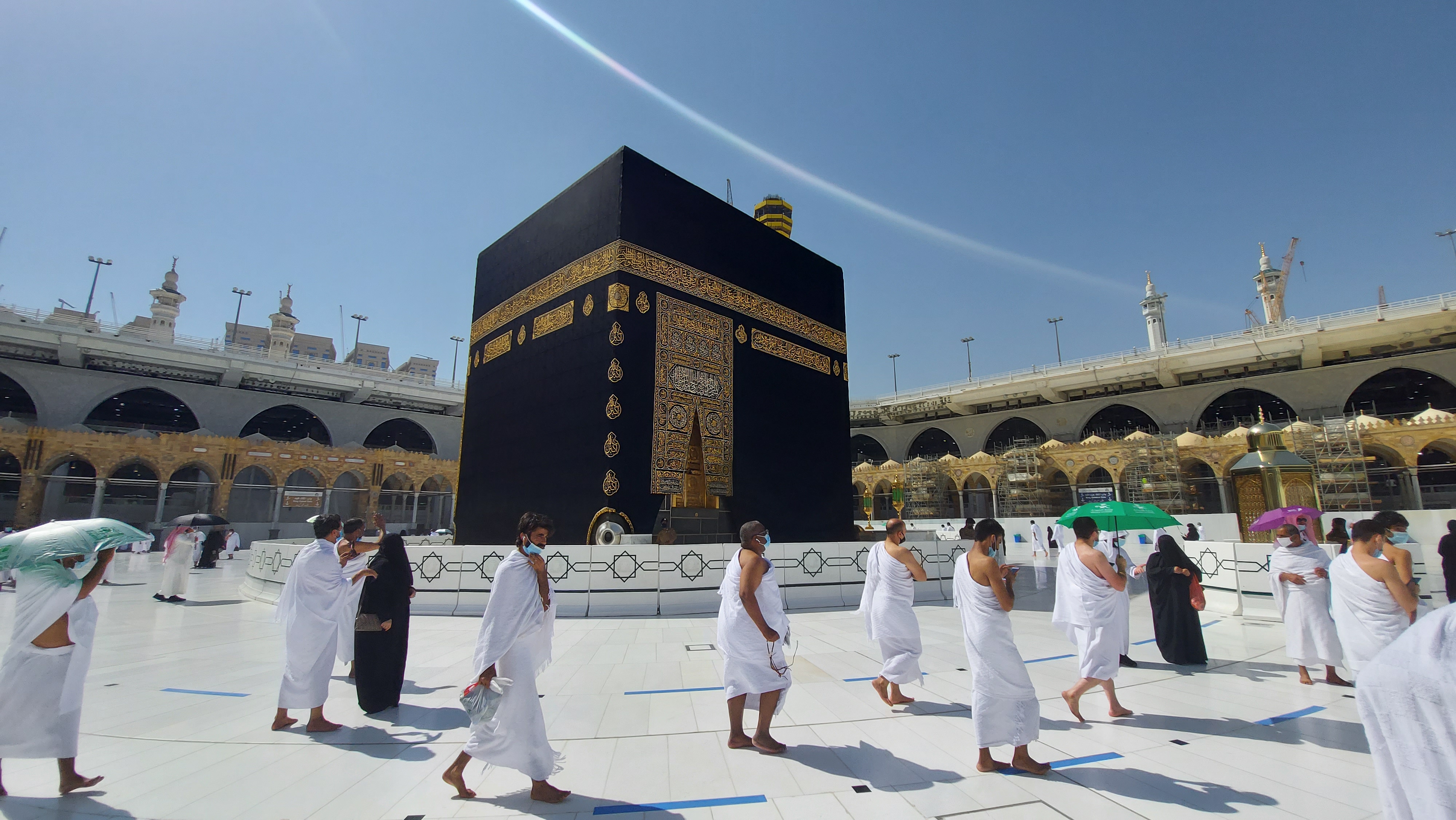
Avoid performing Tawaf and Sa’i during noontime
If you are traveling in your car, allow time for it to cool down before driving
Make sure to use an umbrella in case you need to go out at noon
Sunburns
Sun exposure for long periods causes sunburns. Symptoms include redness, swelling of the skin, pain, blisters, fever, chills, and fainting. When exposed to severe sunburns, the person should seek immediate medical help.
To prevent sunburns:
Avoid excessive exposure to the sun between 10 a.m. to 3 p.m.
Wear sunscreens
Use an umbrella to protect your skin from sun rays
Foot problems during Hajj
Foot problems are a common concern during Hajj. Pilgrims may need to walk for long distances during the performance of the Hajj rituals. Friction resulting from walking may cause foot blisters, and the situation may worsen if you wear the wrong shoes.
Once feet become blistered, it is hard to walk on them until blisters have healed. Remember, prevention is always better than cure.
How can you avoid foot injuries and complications during Hajj? And how can you choose the right shoes to prevent or minimize foot problems?
Choose appropriate size shoes so they are not narrow or wide
Ensure that the shoe protects the foot from the front and back, and avoid open shoes
Avoid shoes with a flat design and those made of poor materials—as this year's Hajj coincides with the summer season, increasing the chance of blisters
Avoid standing and walking for long hours; use transportation instead when possible
Avoid walking barefoot
Keep your feet clean and dry
Dehydration
Why is dehydration one of the most common health problems during the Hajj season? Staying hydrated is a key element to maintain health.
The nature of the Hajj calls for long walks or prolonged sun exposure. When exposed to the sun or hot weather, the body sweats to cool itself — excessive sweating results in dehydration.
How to prevent dehydration?
You can avoid dehydration by drinking enough fluids. The recommended amount of water needed is equivalent to eight glasses a day. Increase this amount in case of fluid loss through sweating, diarrhea, or vomiting.
How to avoid digestive problems?
Avoid foods prepared under unhygienic conditions
Stick to your meals’ regular schedule to avoid indigestion
In case of diarrhea, drink plenty of fluids, rest, and avoid sun exposure
Follow good personal hygiene; wash your hands before and after eating and after using the restroom
Eat fruits and vegetables to support your immune system—rich in vitamins, minerals, antioxidants
What to take with you?
When preparing your bag for Hajj in advance, make sure the following necessary items are packed:
Hand sanitizer
Pain reliever and antipyretic
Analgesic creams for muscle injury
Sunblock cream or lotion
Skin moisturizer to prevent dryness
Personal care items such as scissors and nail clippers
Health tips during hajj | Johns Hopkins Aramco Healthcare. (2021). Retrieved 24 June 2021
(DOWNLOAD PDF)Exposure, S. (2021). Search: sun exposure. Retrieved 24 June 2021,
(DOWNLOAD PDF)Related Articles

Manage Your Diabetes During Hajj
Are you performing Hajj this year? If you suffer
from diabetes, find out how you can better...

Health Tips During Hajj
If you are performing Hajj, Johns Hopkins Aramco
Healthcare provides you with a few tips to help...

Stay Healthy During Hajj
Here we have collected the most important
medical advice provided by Johns Hopkins Aramco Healthcare experts for….