

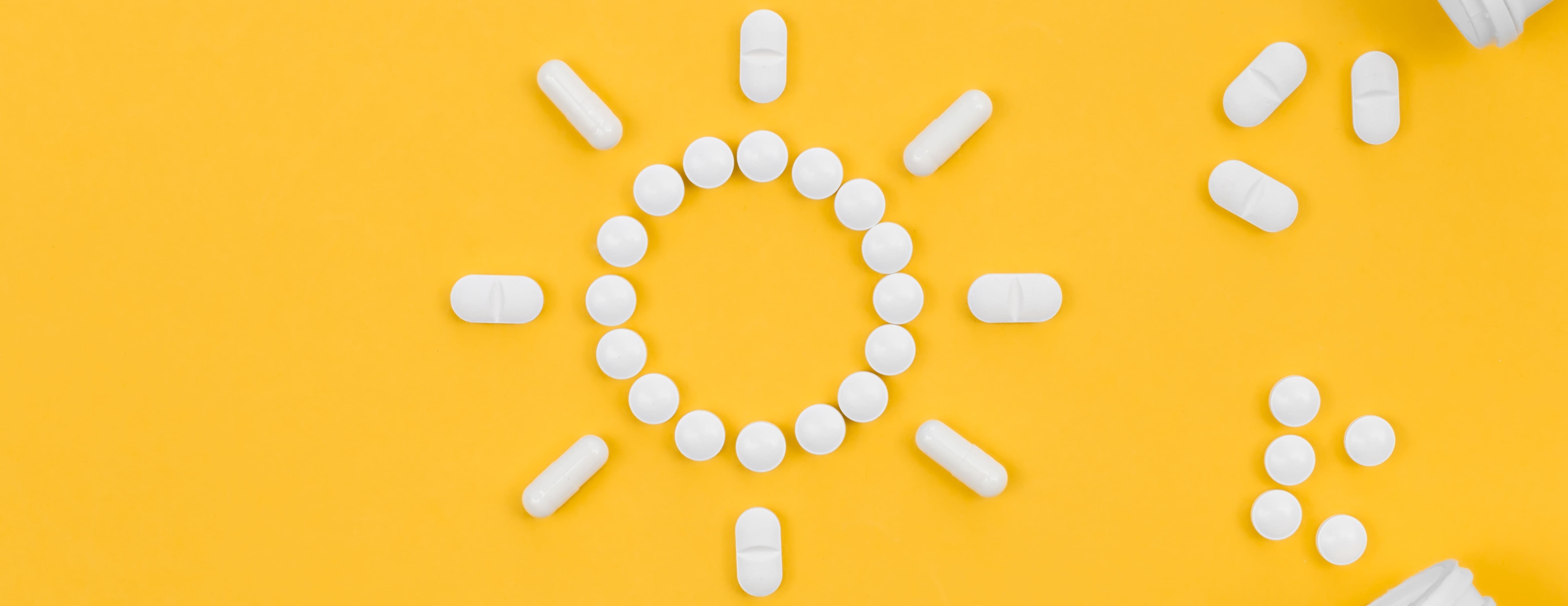
Essential Tips to Safeguard Medications in Summer
Essential Tips to Safeguard Medications in Summer
July 14, 2024
By: Corykris Calleja
Pharmacy Services Department
As we enter the summer months, temperature and humidity will soar and fluctuate. Did you know that extreme summer heat and humidity can impact your medications?
Medication Heat Interactions
Medication Degradation and Delivery Device Damage
Many medications can lose their efficacy and be damaged when stored in areas with extremely hot temperatures, high humidity or when exposed to excessive light. For example,
Insulin: Can be stored at room temperature once opened, but extreme heat will make it less effective.
EpiPen: extreme heat can cause the pen to malfunction and deliver less dose of epinephrine.
Inhalers: can burst when stored in ambient heat.
Tips:
Store your medication in a cool dry place except for the ones that require refrigeration.
Keep medications at room temperature between 15°C – 25°C.
Never leave your medications in the trunk of the car or direct sunlight.
Photosensitivity
Some medications can increase your sensitivity to the sun causing you to develop a sunburn faster and increase your risk of skin cancer. For example,
Acne medications: Isotretinoin
Analgesics: Naproxen, Ibuprofen
Antibiotics: Tetracycline, Fluoroquinolones
Antifungals: Metronidazole, Voriconazole
Cholesterol-lowering medications: Atorvastatin, Simvastatin
Birth control pills
Tips:
Avoid the sun and stay indoors during the peak sun hours.
Wear protective clothing such as sunglasses, hats, light-colored long-sleeve shirts and long pants.
Use a broad-spectrum sunscreen that can filter UVA and UVB rays, preferably with SPF 30 or more.
Risk of Medications Interfering with Thermoregulation and/or Fluid Balance
Our body can cool down when it is hot and humid. However, some medications may interfere with that process. Heat exhaustion and dehydration can impact the effectiveness of medications and increase the risk of potential side effects. For example,
Antihistamine allergy medications: can reduce sweating.
Antipsychotics and antidepressants: can cause impaired sweating, sedation and cognitive impairment.
Beta blockers: can cause reduced blood flow to the skin making it harder to cool down.
Bipolar disorder medications: can increase the need to urinate.
Diuretics: can cause electrolyte imbalance and reduced thirst sensation.
Tips:
Stay hydrated.
Skip hard physical activity in high heat.
Wear light loose-fitting clothes.
Stay indoors or in shaded areas when it is very hot.
It is important to adhere to your medication regimen consistently, even during extreme weather conditions. Since not all medication examples are listed above, always consult your physician about any potential side effects before using any medication.
More News
All News
07 Jul, 2026
Two Births in One Day
A rare complication stopped Hasna's heart moments after her daughter was born. The Johns Hopkins Aramco Healthcare team that brought her back gave her family a second birth: her own.
05 Jul, 2026
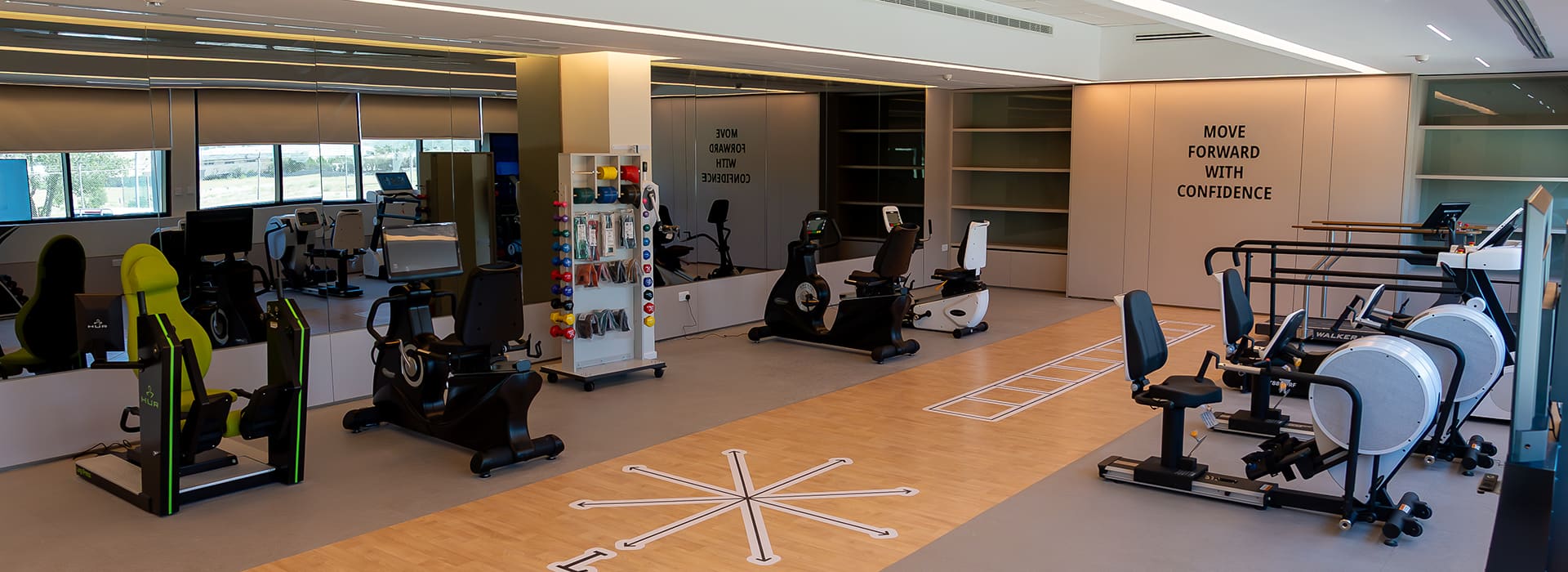
Johns Hopkins Aramco Healthcare Expands Access to Specialized Therapy with New Rehabilitation Center
The new Rehabilitation Center features advanced technologies that improve privacy, capacity and patient recovery.

30 Jun, 2026
Global Top 3% Ranking for KLAS Pinnacle Award
Johns Hopkins Aramco Healthcare earned a top 3 % global ranking in clinician EHR experience, reflecting strong satisfaction and excellence.