

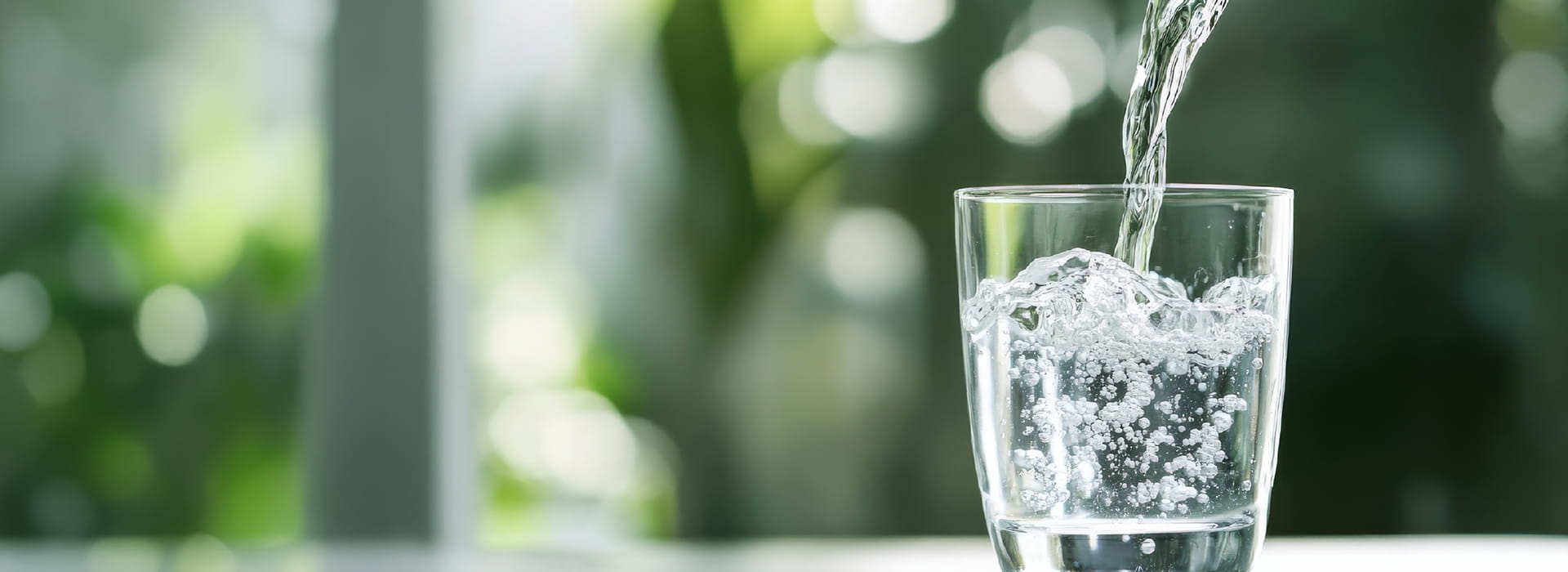
Hydration Tips for Warmer Weather: More Than Just Water
Hydration becomes especially important as temperatures rise across Saudi Arabia, and many people are surprised to learn that staying hydrated involves more than simply drinking water. Warmer weather increases fluid loss through sweat and breathing, and the dry climate in many regions of the Kingdom can make dehydration develop faster than expected. Supporting your body with the right fluids and foods helps maintain energy, digestion, temperature regulation and overall wellbeing.
Why Hydration Matters in Warmer Weather
Hot conditions place extra stress on the body. When you lose fluids faster than you replace them, you may experience headaches, fatigue, dizziness, dry mouth, muscle cramps or difficulty concentrating. Children, older adults and people who spend time outdoors are especially vulnerable. Healthcare professionals recommend paying attention to early signs of dehydration and taking steps to stay hydrated throughout the day rather than waiting until you feel thirsty.
Fluids That Support Hydration
Water remains the foundation of hydration, but other fluids can help replenish electrolytes and support overall health.
Laban and low‑fat dairy drinks provide fluids, electrolytes and protein, making them a refreshing option in hot weather.
Fresh juices without added sugar offer hydration along with vitamins, especially when made from oranges, watermelon or pomegranate.
Herbal drinks such as mint or chamomile tea can be hydrating when served without added sugar.
Electrolyte‑containing beverages may be helpful after prolonged outdoor activity, though they should be used in moderation due to their sodium content.
Caffeinated drinks such as coffee or tea can contribute to hydration in small amounts, but relying on them heavily may increase fluid loss for some people.
Common Hydrating Foods
Many foods naturally contain water and can support hydration while providing nutrients.
Watermelon, oranges, grapes and strawberries are rich in water and easy to digest.
Cucumbers, lettuce, tomatoes and zucchini add hydration to meals without adding heaviness.
Soups and broths, especially those served at lunchtime, help replace fluids and minerals.
Dates, when eaten with water or laban, support energy levels and digestion.
Including these foods regularly can help maintain hydration even on days when you drink less water than usual.
Daily Habits That Improve Hydration
Small adjustments throughout the day can make a noticeable difference.
Keep a bottle of water with you during errands and outdoor activities.
Drink water before leaving home, especially if you expect to be outdoors.
Take regular sips rather than drinking large amounts at once.
Increase fluid intake during physical activity or when spending time in the sun.
Choose lighter meals during the hottest hours of the day to reduce digestive strain.
Limit salty snacks, which may increase thirst and fluid loss.
Hydration for Different Age Groups
Hydration needs vary depending on age, activity level and overall health.
Children may not recognize thirst early, so offering water regularly, especially during play time, is important.
Adults benefit from steady hydration throughout the day, particularly during work, exercise or outdoor tasks.
Older adults may have a reduced sense of thirst, making scheduled drinking and hydrating foods helpful.
If you have a medical condition that affects fluid balance, speak with a healthcare professional for personalized guidance.
Recognizing When to Seek Medical Advice
If you or someone around you experiences persistent dizziness, confusion, rapid heartbeat, extreme fatigue or difficulty keeping fluids down, it is important to seek medical care. These symptoms may indicate significant dehydration or heat‑related illness, which requires prompt attention.
Staying hydrated in warmer weather is one of the simplest ways to support your health. Choosing a mix of water, hydrating foods and nutrient‑rich drinks helps your body stay balanced and energized as temperatures rise.
Related Articles
More Articles
29 Jun, 2026
Drowning Prevention Starts with You
Drowning is preventable. Learn simple steps to protect your family and raise awareness on World Drowning Prevention Day.
03 Jun, 2026
Hydration and Heat Safety
Summer heat increases the risk of dehydration and heat stroke. Simple hydration habits can protect your health during extreme temperatures.
03 Jun, 2026
Food Safety in Summer Heat
World Food Safety Day reminds us that rising summer temperatures can turn everyday meals into health risks if food is not handled safely.