

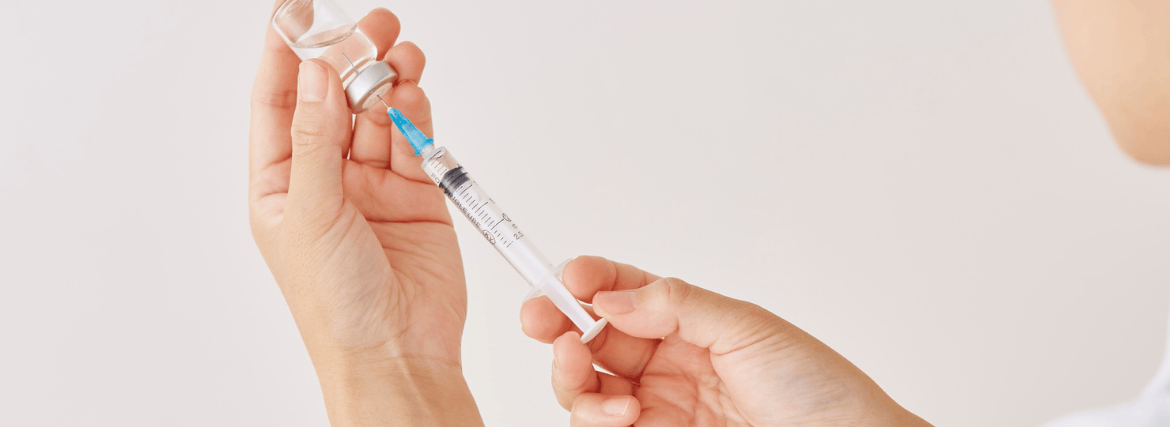
Immunization Issues
With the summer heat soon making way for cooler fall temperatures, flu season will soon be upon us. It’s important to take the following steps to protect yourself and your family members from a number of viral illnesses.
Get Vaccinated to Stay Protected
Vaccines are one of the most effective ways to protect yourself and your loved ones from seasonal illnesses. They work by strengthening your immune system, helping your body recognize and fight off harmful viruses. Even if you do get sick, being vaccinated can reduce the severity and help you recover more quickly.
Think of it like wearing a seatbelt — it doesn't stop accidents from happening, but it protects you when they do.
At Johns Hopkins Aramco Healthcare, we offer several important vaccines to help you stay healthy, especially during flu season.
Vaccines for Seasonal and Preventive Protection
Flu Vaccine: Recommended annually for everyone aged 6 months and older to protect against the most common influenza strains.
RSV (Respiratory Syncytial Virus): This virus often mimics cold or flu symptoms but can be dangerous for infants, older adults (65+), and those with weakened immune systems. Vaccination can help prevent severe complications.
Pneumococcal Vaccine: Pneumonia is a serious infection that can follow the flu or RSV. Adults aged 65 and over are advised to get vaccinated to reduce their risk.
Shingles Vaccine: Shingles causes painful rashes and nerve issues, especially in adults over 50. The vaccine can prevent outbreaks or reduce their severity.
Protect Yourself, Protect Others
Stop the spread of viruses by not only distancing yourself from those who are ill but staying home from work and other activities if you yourself are sick. It’s especially important to keep children home from school if they are unwell.
Boost your immunity
Keep your immune system fighting fit in order to fight off illnesses by practicing a healthy lifestyle. Eat a balanced diet, focusing on nutrient rich fruits and vegetables, and make sure to have adequate water intake to stay well hydrated. Manage your stress through exercise and getting enough restful sleep to give your body a chance to heal and recover.
Practice good hygiene
Something as simple as washing your hands frequently with soap and water for at least 20 seconds can help ward off germs. If you’re on the go, hand sanitizer will also do. Also make it a habit to routinely clean frequently touched surfaces such as door handles and handheld devices to prevent transmission. Avoid touching your nose, mouth and face throughout the day. And please don’t forget to cover your mouth and nose when you sneeze or cough, as viruses can be transmitted through droplets.