

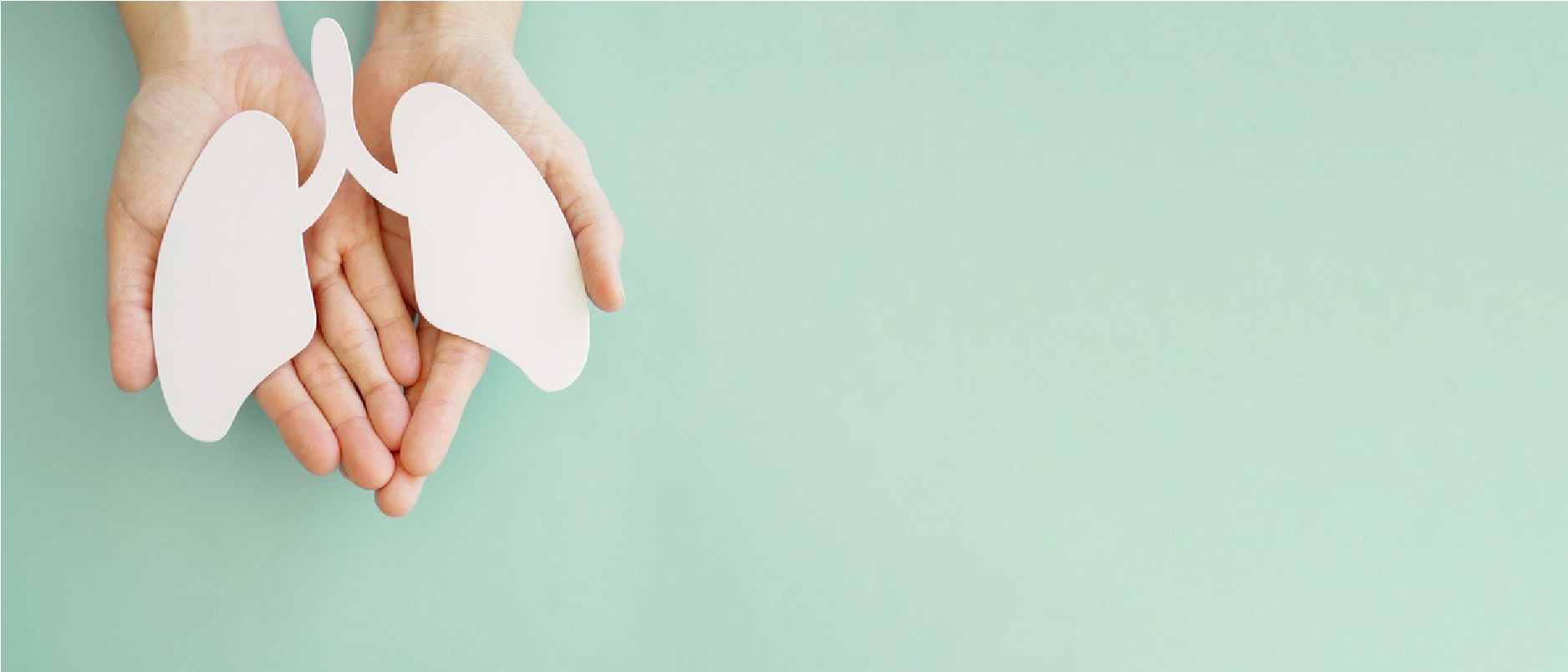
International COPD Day
The world marks International Chronic Obstructive Pulmonary Disease (COPD) Day on the third Wednesday of November. To help people better understand COPD, the Johns Hopkins Aramco Healthcare Pulmonary Clinic answers the following questions.
If you are concerned about COPD for yourself or a loved one, contact your primary care physician.
COPD Insights: Hear from an Expert
What is COPD?
COPD or chronic obstructive pulmonary disease (COPD) is a chronic inflammatory lung disease that severely limits airflow over an extended period of time. COPD encompasses various conditions, including emphysema, which is characterized by the progressive destruction of the alveoli, which are the small air sacs in the lungs responsible for gas exchange. Chronic bronchitis, on the other hand, is characterized by chronic cough and production of phlegm.
Asthma is not a type of COPD, which is a common misconception we face in the Pulmonary Clinic.
The World Health Organization (WHO) recognizes chronic obstructive pulmonary disease (COPD) as the third most prevalent cause of death worldwide, causing about 3.23 million deaths around the world in 2013.
This statistic underscores the significant impact of COPD on public health, highlighting its status as a leading contributor to chronic illness and death. The burden of this disease continues to increase, requiring ongoing research and effective management strategies to reduce its effects on individuals, health systems and society.
What are the common symptoms of COPD?
Common symptoms of COPD include shortness of breath, expiratory wheezing, chest tightness, persistent cough (often with mucus) especially with chronic bronchitis and frequent respiratory infections. If the disease is not well controlled or patient continues smoking, symptoms will likely get worse over time.
Who is at risk of developing COPD?
The primary risk factor is smoking. Other risks include long-term exposure to air pollutants, including chemicals, dust and other particulates in the air, and a history of family and respiratory disease. One of the most common questions received in the Pulmonary Clinic is “Can COPD be caused by genetics?” The answer is yes.
How is COPD diagnosed?
COPD is diagnosed by pulmonary function tests, including spirometry, that measure airflow movement and lung volume along with lung diffusion capacities, along with a physical examination, chest x-ray, CT scan and blood gas analysis.
Can COPD be cured?
COPD is NOT curable. It can, however, be treated and managed by controlling the symptoms of the disease to slow progression. Patient compliance to the treatment plan plays a significant role in disease management.
Patients with COPD can develop serious complications that can result in hospital admission, including into an intensive care unit, if not well controlled.
What treatment options are available for COPD?
Treatment includes medications such as bronchodilators (both long acting and short acting), inhaled corticosteroids and antibiotics if examination shows there is a chest infection. Pulmonary rehabilitation and long-term oxygen therapy will help a patient live with the disease by reducing the symptoms that limit daily activities. In severe cases, surgery may be necessary, especially for patients with emphysema. Numerous studies have confirmed the role of smoking cessation in reducing the progression of COPD2.
What measures may be taken to avoid COPD?
Prevention of COPD triggers is the best way to prevent disease progression. These include avoiding smoking and dust. Wear a mask when there is a lot of sand and other matter in the air.
How does COPD affect a person's daily life?
Shortness of breath (in general or with exertion) is one of the most common symptoms that limit patients with COPD from doing daily activities such as walking, dressing, climbing stairs, etc. Pulmonary rehabilitation and long-term oxygen therapy will help.
What lifestyle changes can help manage COPD?
Patients with COPD should change their lifestyle to enhance their quality of life and delay disease progression. Following are a few tips:
If you smoke quit and avoid second-hand smoke.
East a healthy diet as obesity is one factor that contributes to worsening symptoms.
Follow the treatment plan prescribed by the physician
What resources are available at JHAH for individuals with COPD?
The JHAH Respiratory Education Clinic provides a variety of treatments for COPD to enhance quality of life including medication administration, airway clearance and smoking cessation programs conducted by certified therapists.
Related Articles
More Articles
21 Aug, 2025
Alzheimer’s Disease
Learn about Alzheimer’s disease, it's symptoms, causes and risk factors, and what to do if you have Alzheimer's disease

17 Dec, 2024
Heart Disease: Risks and Prevention
Raise awareness for heart disease prevention through healthy habits, diet, and stress management
26 Nov, 2024
Podiatry's Vital Role in Diabetes Care at JHAH
Explore how JHAH’s podiatry experts transform diabetic foot care and protect mobility this World Diabetes Month!